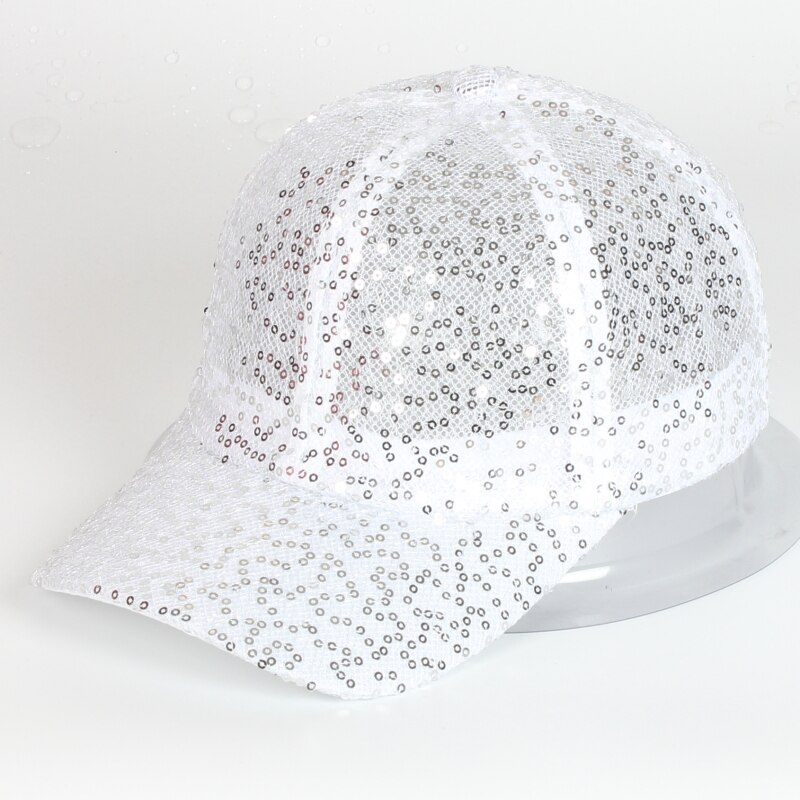
I used to think I had buying a baseball cap all figured out. I was mistaken. For years, I’d pick the least expensive options I could find online. Every single time, I’d need to replace them within a few months. The colors would fade, the brim would lose its shape, and sweat would turn them into something unpleasant.
I believed in these myths for far too long. I spent roughly $200 on disposable replacements before I finally learned the truth. Here’s what the sellers of cheap hats won’t tell you about what truly makes a high-quality baseball cap:
This is perhaps the most pervasive falsehood in the hat industry. You see the adjustable strap and assume it will fit perfectly. The reality is that inexpensive caps often compromise on the adjustment mechanism itself.
The myth suggests the size tag is the only thing that matters. The truth? Cheap plastic snaps can slip under pressure, feel bulky, and break. Low-quality fabric straps fray, and metal buckles can rust after just one encounter with rain, rendering the hat unwearable.
The Truth: High-quality caps prioritize how the hat maintains its structure and how the closure securely locks. A reputable brand cares about the entire experience, including the guidance you receive when purchasing. This attention to detail is a hallmark of reliability. As one satisfied customer put it:
That level of support indicates a deep understanding of their product's fit. They aren't just shipping out inferior goods and hoping for the best.
Action Step: Inspect the closure. Opt for sturdy metal buckles or robust sliders over flimsy plastic tabs. Metal is consistently more durable.
Many believe that a slightly higher price tag just pays for fancy embroidery. That's incorrect. The additional cost is invested directly into superior construction and internal materials.
A cheap cap might look decent on the outside. But peek inside. Is the sweatband just a thin strip of fabric? Are the seams already coming apart? Inexpensive materials are exactly that—they deteriorate quickly.
The Truth: A fair price pays for the crucial structural components: the lining, the heavy-duty thread stitching the panels together, and the stiffeners in the brim. A super-cheap cap likely uses thin plating that can fade in a matter of days.
Comparison Table: Cap Value
Verdict: Don't judge a cap by its product image alone. Scrutinize the material details in the description. If the fabric isn't specified, assume it's low quality.